

Making films without breaking the bank
Make Your Film
“Kire is one of the most daring and original directors in the world, and he’s generous: take this course if you want to learn cool hacks and wise advice from an enthusiastic and down-to-earth pro. You’ll learn stuff that film schools have no idea about.”
- Colin Brunton (Producer of Schitt’s Creek, Cube, Highway 61)
Are you an aspiring filmmaker who is looking to make their first film?
Have you made several short films and are looking to produce your first feature?
Do you have a burning story inside of you but are not sure where to start?
Are you a filmmaker working outside of the traditional/commercial system and are finding it hard to finance your projects?
Do you frequent your local rep cinema and hope to see your film on the big screen?
If so, then this course is for you.
Introduction:
Low-budget filmmaking is essential for aspiring producers and filmmakers who are just starting out and may not have the experience and track record to obtain or be eligible for larger amounts of funding.
In this course, students will learn how to put together a low budget film from start to finish. By learning the fundamentals of film producing, through a micro-budget lens, students will be taken through the various steps and stages of producing a film including writing, budgeting, funding, principal photography, and post-production in order to help build the skills needed to transform an original concept into a finished product.
Why I created this course:
As a graduate of Toronto Metropolitan University’s Film Program, I was shocked by how ill-prepared I was for the real world of filmmaking once I finished the 4-year program. Over the last 15 years I’ve worked both in the system and independently, learning how to produce films by doing it on my own. Not everybody has the time or finances to commit to post-secondary program. This course is designed to teach you the fundamentals of filmmaking without breaking the bank.
Save your money. You’ll need it for your film.
Who is this course for:
Whether you’ve never picked up a camera or made several short films, this course is for anybody who as a story to tell. This course is available to filmmakers and producers worldwide. Everything in this course can be universally applied to your film.
Schedule:
This course runs virtually on Zoom every Monday evening (6-9pm EST) from September 21 - December 14
September 21, 28
October 5, 19, 26
November 2, 9, 16, 23, 30
December 7, 14
Approximately 36 hours in total.
All classes will be recorded and available to download for future reference.
Cost:
$800 CAD
You can pay the full amount by clicking on the Register Now Buttons.
Pay two installments of $400 by clicking on the button below.
Course Breakdown
Module 1: Introduction - September 21
An introduction to the fundamentals of low-budget filmmaking. Comparing traditional producing to micro-budget producing, students will learn how the filmmaking landscape has changed over the last ten years. Shifting away from the traditional studio model to a more indie approach. Empowering producers and filmmakers from all backgrounds and levels of experience.
Module 2: Writing For Micro-Budget - September 28
A great script is the foundation of any successful film. The writing stage is a make-or-break process and can be a determining factor as to whether the project receives funding at all.
Students will learn how to write for a micro-budget film, and how the process differs from a larger budget projects. We will focus on character-driven storytelling, writing for specific locations, and learning how to work around budget limitations.
Module 3: Script Breakdown - October 5
A script breakdown is one of the most useful tools a producer has. Without it, it is next to impossible to create a realistic budget and schedule for a film.
Students will learn how to properly break down a script. Using a short script as an example, students will be taken step by step through the breakdown process. They will learn to identify the essential elements needed to make their film. This includes cast, background performers, locations, wardrobe, props, and special effects.
Module 4: Budget - October 19
A film budget is the most important document for a film, especially at the micro-budget level where every dollar counts. A detailed budget not only determines how much money you need to make your film but is also required by all possible funding agencies. Knowing how to properly prepare a film budget, line by line, is essential for every filmmaker.
Students will learn how to budget for a micro-budget film, using their script breakdowns. Focusing on the essentials, students will learn what line items and bare minimums are needed to start production.
Module 5: Unions and Guilds - October 26
All film productions in Canada are either union or non-union. IATSE, NABET, DGC, and ACTRA make up the unions and guilds operating in the Ontario film industry. When working at the micro-budget level, working with the unions and guilds can bring both pros and cons to your production.
In Week 5 students will learn the differences between union and non-union crews. Looking at both scenarios, students will learn the guidelines, restrictions, and associated costs of working within each system.
Module 6: Funding #1 - November 2
Telefilm is responsible for helping finance numerous films all across Canada every year. Aside from financing, they can also assist with distribution and festival outreach. Tax Credits (CPTC and OFTTC) are an essential component of any financial structure. Even at a micro-budget level, producers can count on close to half of their labour expenditures being covered by these programs.
In Week 6 students will learn the ins and outs of these two government funding agencies. This includes the various Telefilm programs that support micro-budget films and how to properly calculate tax credits.
Students will be tasked with calculating tax credits for a micro-budget film to get hands-on experience with this important process.
Module 7: Funding #2 - November 9
In Week 7 students will learn the various types of funding available to them. This includes grants, deferrals, donated services, and distributor advances. Students will learn how to use these funding options to create a financial structure that fits their project. Examining the financial structure of previous Canadian micro-budget films, students will be brought through the application process for an arts council grant, learning useful tips on how to maximize their chances at securing these grants.
Module 8: Funding #3 - November 16
Crowdfunding is an extremely useful tool when putting together financing for an indie feature film. Not only can it make up that last bit of missing financing, but it is a great way to promote
your project early on. Although crowdfunding has become the norm for all types of projects, running a successful campaign requires strategy.
In Week 7 students will be given an in-depth look at effective crowdfunding strategies. Using past crowdfunding campaigns from other micro-budget films, students will learn the dos and don’ts when it comes to maximizing their chances of meeting their crowdfunding goal. This includes which platform to use, establishing a marketing hook, identifying their potential audience, and selecting the right perks to engage their funders.
Students will be tasked with creating their own crowdfunding page catered to a micro-budget film. We will examine and discuss their work in the following class.
Module 9: Scheduling - November 23
Working at the micro-budget level, the proper scheduling of a film’s principal photography can make the difference in whether the film stays on budget. Micro-budget films typically have fewer shoot days than larger budget films. Having a well-thought-out schedule helps ensure you will make your days with minimal overtime.
In Week 9 students will learn how to properly schedule a film shoot. Working within the guidelines of the various unions and guilds, they will be taught how to maximize their shoot days and how to deal with any unforeseen issues that might arise.
Students will be tasked with creating a schedule for a short film. We will examine and discuss their work during the following class.
Module 10: Principal Photography and Post-Production - November 30
The most important and stressful stage of filmmaking is production (principal photography). A smooth production can make the world of a difference in the edit suite once a film is shot. A micro-budget film requires detailed planning to maximize the production process.
“Fix it in post” is a common phrase thrown around in the film industry, but it is a phrase that can be a curse. The more planning you put into preproduction and production the smoother your post-production will be.
Students will learn how to tackle production on a low-budget film. They will be taught best practices to stay on budget. This includes how to run a shoot day, working with actors, working with a skeleton crew, and how to tackle unforeseen issues that may arise. Students will also learn how to tackle the post-production. From simple editing tricks to working with a larger post-production company, they will be taken through the necessary steps to put those last polishing touches on their film.
Module 11: Distribution & Marketing - December 7
Congrats! You’ve made a film. Now, what do you do with it?
In Week 11 students will learn how to navigate key distribution streams, including theatrical releases, film festivals, and video-on-demand (VOD).
Students will also learn budget-friendly marketing strategies that can help their films stand out from the crowd.
Students will create a distribution and marketing plan that they can use to get their films in front of an audience.
Module 12: Pitches - December 14
A well thought out pitch can make or break the potential financing for a film. Whether it’s an elevator pitch to a producer, or a large presentation to financiers, pitching a project should create excitement and leave people with no doubt as to the film’s viability and your ability to make it.
Producers, financiers, and broadcasters are being pitched daily. What is it that your film offers that others don’t? How do you make your film stick out from the rest? How do you leave people wanting to know more, while confident that all their questions and concerns have been addressed? You usually only get one chance to pitch someone. It is imperative that your pitch be as polished as possible.
In week 12 students will be given the opportunity to combined everything they’ve learned throughout the past eleven classes and pitch their projects to the rest of the class. This opportunity will allow students to pitch their projects in a safe environment and allow for
constructive feedback from the instructor and fellow students before they begin to pitch to industry professionals.
Who Am I:
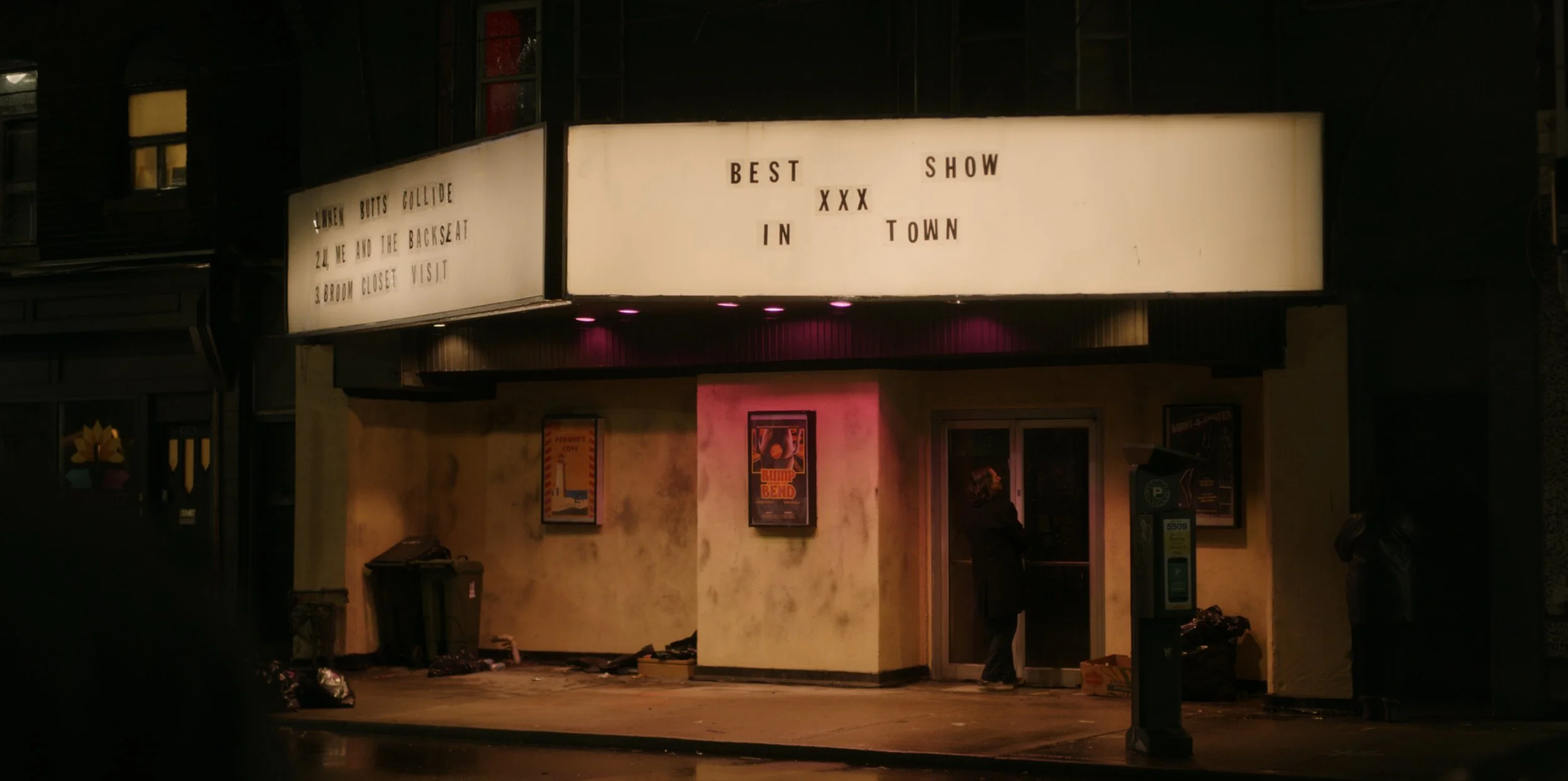
My name’s Kire Paputts and I’m an award-winning Canadian producer/director. Working in both narrative and documentary, I’ve produced 7 features films, 2 TV series, and 3 short films. My films center around outsider culture. People and characters on the fringes whose voices are often silenced or overlooked. My latest narrative feature film The Last Porno Show(2019), had its world premiere at the Toronto International Film Festival in 2019. My debut feature The Rainbow Kid (2015) premiered at TIFF 2015 and was released by A71 Entertainment. My films have screened at festivals worldwide including SXSW, Sitges, Torino, Beijing, Vancouver International Film Festival, and The Edinburgh International Film Festival. My television credits include Gerrard St East and Chillin’ with Dylan, two documentary series for Bell Media. I co-produced Michael Pierro’s debut feature film Self Driver (2024), which took home Best Feature at the Fantaspoa Film Festival and Best First Feature at Fantasia Film Festival. I’m currently in post-production with my latest feature, Junkie Run, slated to be released in 2025.
My company Made By Other People was started in 2014 and is a boutique film production company that strives to create high-quality and bold entertainment no matter the scope of project or size of budget.
In 2023, I developed and launched a Micro-Budget Filmmaking course film course at the University of Toronto. The course was created for emerging producers and filmmakers who are looking to make their first feature film, but who may not be eligible for the traditional funding sources in Canada.
If you have any questions about the course, please feel free to email me at kpaputts@gmail.com
Now let’s get your film made!





Kire’s Indie Filmmaking class is one of the most practical film courses I’ve ever taken. He teaches from real, hard-earned experience—having consistently made independent films over the years—and his passion for storytelling and empathy for idiosyncratic characters shines through every lesson.
As both a director and producer, Kire is someone I truly admire. Gaining insight into his creative process and his resourceful, street-smart approach to producing was incredibly enriching. If you're serious about making indie films, I can’t recommend this class enough. It’s money well spent.
- Lina Li (Producer)